The Reserve Bank of India (RBI) has issued its final guidelines for payment aggregators, officially called the Regulation of Payment Aggregators Directions, 2025. These rules, which take effect immediately, bring a clear structure to how payment aggregators operate in India.
Digital payments have grown rapidly in recent years, and so have the number of players handling them. To make this space safer and more transparent, the RBI has now defined who can operate, under what conditions, and with how much capital.
Three Categories of Payment Aggregators
Under the new framework, the RBI has divided payment aggregators into three categories:
- PA-P (Physical): These are aggregators that handle payments in physical or offline environments like POS terminals or in-store payment devices.
- PA-CB (Cross-Border): This category covers aggregators that manage payments across countries, both inward and outward.
- PA-O (Online): These aggregators work in the online space, facilitating payments through cards, UPI, or wallets on digital platforms.
By setting up these categories, the RBI has made it easier to distinguish between domestic and cross-border operations. Each type now has a clear set of expectations and compliance rules.
Who Needs Authorisation
The new framework makes an important distinction between banks and non-bank entities.
Banks that already operate as payment aggregators don’t need any separate authorisation. But non-bank companies do and they’ll have to meet certain financial requirements to qualify.
According to the new directions, a non-bank entity seeking authorisation must have:
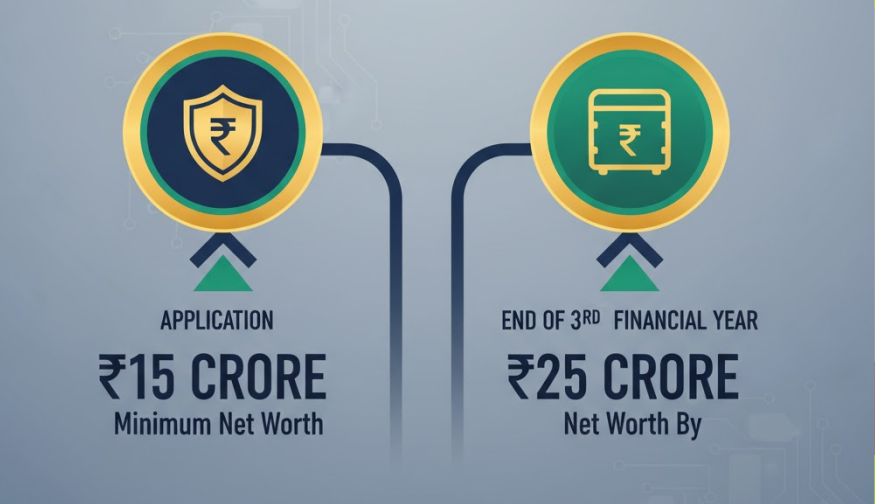
- A minimum net worth of ₹15 crore when applying, and
- A net worth of ₹25 crore by the end of the third financial year.
These thresholds ensure that only financially stable companies manage public funds and merchant payments.
Escrow and Fund Management Rules
Another key part of the framework is about how money is handled.
Payment aggregators must now route all transactions through escrow accounts – dedicated accounts that hold customer and merchant funds separately from the aggregator’s own money.
This change might sound technical, but it’s crucial. It ensures that even if a payment aggregator faces financial trouble, customer money remains safe and untouched.
For cross-border aggregators (PA-CBs), the RBI has also introduced rules on limits and fund flows, given the higher risks in international transactions.
Who Can Promote Payment Aggregators
The RBI has also tightened norms for who can own or promote these entities. Promoters must meet what the regulator calls the ‘fit and proper’ criteria.
That means they need to have a clean financial and regulatory history, a good reputation, and the ability to run financial operations responsibly. This requirement helps maintain trust in the overall ecosystem by ensuring only credible people and companies are involved.
When Do the Rules Apply
The Regulation of Payment Aggregators Directions, 2025 come into effect immediately.
That’s a strong signal from the RBI that it wants better oversight right away. The draft version of these rules was first shared in April 2024 for public feedback, and the final version now reflects inputs from multiple industry stakeholders – including banks, fintechs, and payment companies.
Why These Rules Matter
India’s digital payment ecosystem has grown at an incredible pace – from small online merchants to large cross-border players. But with growth comes risk. Not all entities operate with the same level of governance, capital strength, or fund discipline.
These new guidelines are meant to fix that.
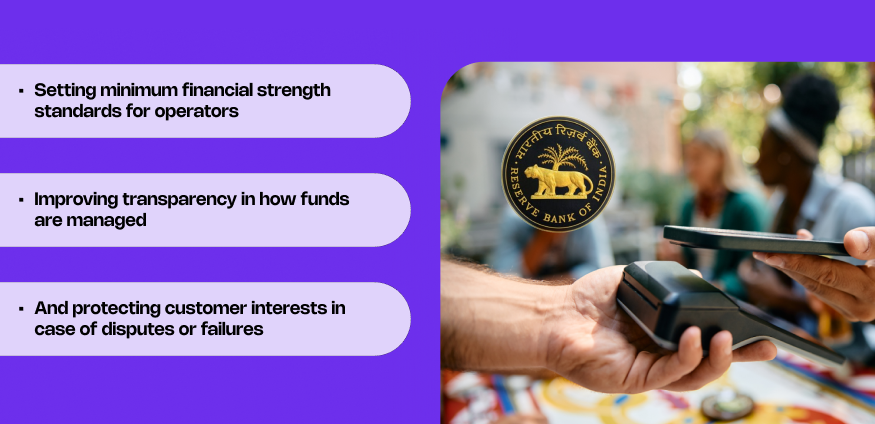
By clearly defining categories and capital requirements, the RBI is:
- Setting minimum financial strength standards for operators
- Improving transparency in how funds are managed
- And protecting customer interests in case of disputes or failures
Essentially, the central bank wants a system that’s innovative but still safe.
How It Impacts the Industry
For large payment companies and fintechs, these guidelines may not cause much disruption. Many of them already follow strong fund management practices.
However, smaller players or new entrants may find the capital requirement of ₹15 crore (rising to ₹25 crore) challenging. That could lead to some consolidation in the market, with only well-funded, compliant companies continuing to operate as payment aggregators.
For banks, nothing changes on the authorisation front. But operationally, they’ll need to ensure that their partnerships with non-bank aggregators comply with these new directions.
In Summary
The RBI’s final guidelines for Payment Aggregators, notified under the Regulation of Payment Aggregators Directions, 2025, mark an important step in the evolution of India’s payment systems.
With clear categories – PA-P for physical, PA-CB for cross-border, and PA-O for online and defined capital norms for non-bank entities, the RBI is building a stronger foundation for the future of digital payments.
The immediate implementation of these guidelines reflects the regulator’s focus on trust, transparency, and accountability – all of which are critical as India’s payment ecosystem continues to expand.
In short, the RBI is saying: grow fast, but grow responsibly.